
Concrete vs Screed: What’s the Difference?
Concrete and screed are often discussed together because both are used in construction and flooring, but they perform different jobs. Concrete normally provides the strong structural base, while screed is generally used to create a smooth, level surface above an appropriate substrate. This guide from Direct Sand & Gravel explains their composition, uses and practical differences so you can identify the right material for your project.

What Is Concrete?
Concrete is made by combining cement, water and aggregates such as sand and stone. As the mixture cures, it develops high compressive strength, making it a core structural material for domestic, commercial and civil work.
Common applications include foundations, structural slabs, paths, driveways, hardstanding and load-bearing bases. The correct concrete strength and specification depend on the design, expected loading, exposure and installation method. It should therefore be selected from the project requirements rather than appearance alone.
Customers can explore concrete collection or concrete delivery options according to site access, transport and the quantity required.
Concrete and Screed Supply Options
Choose between collection and delivery for both materials. Each option below links to the relevant live category, helping you compare products without leaving the Direct Sand & Gravel range.
Concrete Collection
Collect ready mix concrete directly from the Poole site when you have suitable transport and want control over collection timing.
Concrete Delivered
Arrange concrete delivery where transporting fresh concrete yourself is impractical or the project requires delivery to an accessible site.
Screed Delivered
Choose floor screed for collection when the specified mix, quantity and your transport arrangements make collection the practical option.
Screed Delivered
Explore screed delivery for projects that need the material brought to site, subject to the available products and delivery coverage.
What Is Screed?
Screed is typically a finer mixture than concrete and is normally applied over a suitable structural substrate. Its purpose is usually to create a smooth, level surface, correct variations in a base or prepare a floor for the specified finish.
Unlike structural concrete, conventional floor screed is not normally selected as a direct replacement for foundations or load-bearing slabs. It is associated with floor construction and may be used beneath tiles, timber, vinyl or other coverings when the chosen floor system allows.
Screed types and installation requirements vary, particularly around drying, final finishes and underfloor heating. Always follow the project specification. View the available screed collection and screed delivery categories for current options.
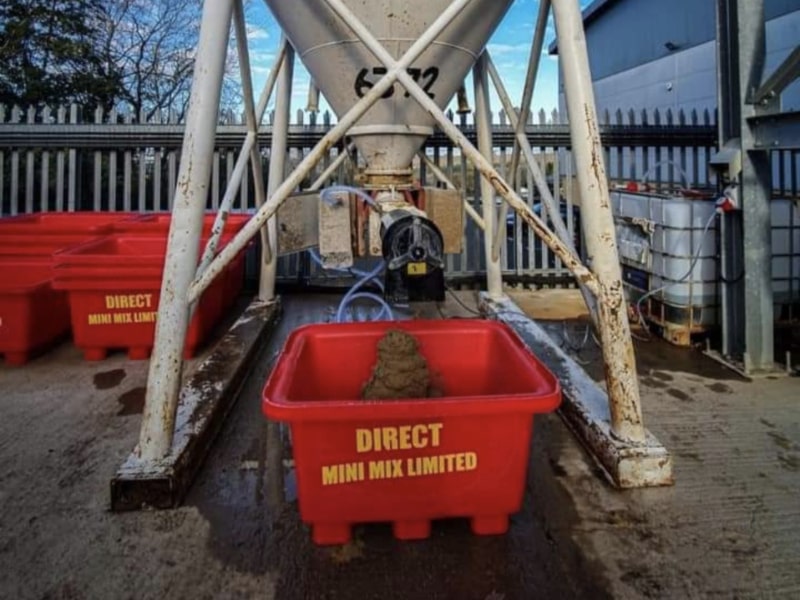
Floor Finishes
Screed can correct minor variations and provide the even surface required by the chosen flooring system. The base must still be structurally suitable.
Garden Paths and Walkways
A properly specified screed can prepare a floor for its final covering. Requirements vary between tiles, timber, vinyl and other finishes.
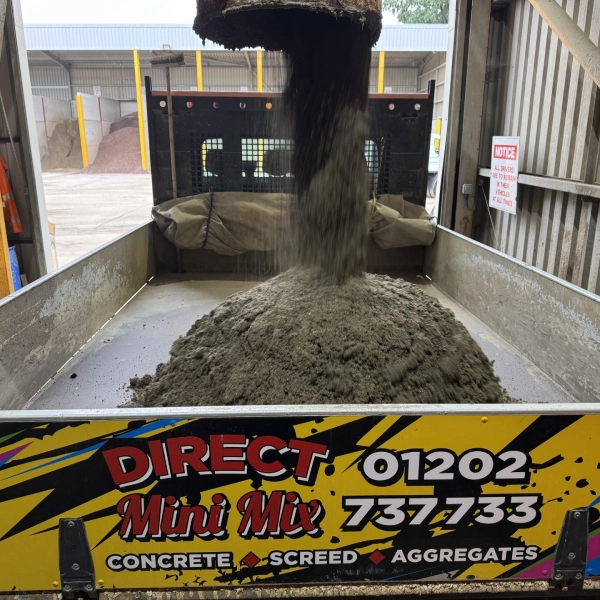
Structural Base
Concrete is generally used to create the strong structural layer that carries loads and forms the main base for the construction above.
Smooth Surface
Screed usually performs a finishing or levelling role, helping create a smoother surface over the structural substrate beneath it.
Concrete vs Screed: Key Differences
The biggest difference between concrete and screed is not simply appearance: it is the job each material is designed to perform. Concrete is normally structural, while screed is generally a comparatively thin levelling or finishing layer.
Purpose
Concrete normally contains coarser aggregates that contribute to structural performance. Screed generally uses finer aggregates to support a smoother finish.
Bournemouth
Concrete forms slabs, foundations and load-bearing bases. Screed levels or finishes a floor over an appropriate structural substrate.
Strength
Concrete is selected for structural strength. Screed performance matters too, but it is normally specified for a different role within the floor build-up.
Finish
Concrete commonly has a coarser working surface. Screed is intended to provide a smoother and more level finish where specified.
Wimborne
Concrete is generally placed at greater structural depths. Screed is usually a thinner layer, although exact thickness depends on the floor design and system.
Wareham
Concrete suits foundations, slabs, bases, paths and driveways. Screed suits floor levelling, preparation and compatible underfloor-heating systems.
When Should You Use Concrete?
Use concrete when the project requires a structural slab, foundation, load-bearing base, path, driveway, hardstanding or other robust construction element. Its mix and strength should match the design, loading and exposure conditions.
Concrete is also appropriate where an outdoor surface or base must resist regular use, although preparation, reinforcement, joints and curing may all influence performance. For engineered or structural work, follow the drawings and professional specification.
Depending on access and logistics, compare concrete to collect with delivered concrete before ordering.
When Should You Use Screed?
Screed is appropriate when a sound structural floor needs levelling, smoothing or preparation for its final finish. The following examples show common reasons it may be specified.
Level an Existing Floor
Use the specified screed to create a more even surface over a suitable base before the remaining floor build-up is installed.
Prepare for Floor Coverings
Screed can provide the substrate required for tiles, timber, vinyl or another covering, provided the full flooring specification is followed.
Work Around Underfloor Heating
Some underfloor-heating systems use compatible screed around the pipes. Product choice, depth, commissioning and drying must follow the system design.
Create a Specified Finish
A screed may form the exposed or finished surface only when its specification and intended system allow. Do not assume every screed is suitable.
Can Screed Be Used Instead of Concrete?
Generally, no. Screed and concrete perform different roles, so one should not be substituted for the other simply because both are cement-based materials. Where structural strength is required, concrete or another designed structural system normally provides the base.
Screed is then often applied over that suitable substrate to level the floor or create the surface needed for later finishes. Whether screed is bonded, unbonded, floating or used with insulation or heating affects the specification.
Project design, loading and floor build-up should determine the materials. If the work is structural or the required system is unclear, obtain appropriate professional guidance before ordering.
Concrete and Screed for Local Projects
Direct Sand & Gravel supplies concrete, screed and aggregates from Poole, with collection and delivery choices for domestic, trade and commercial projects.
Collection Options
Use the collection categories to compare current concrete and screed products when suitable transport and collection arrangements are available.
Delivery Options
Choose the relevant delivery category when moving the material yourself is not practical and site access suits the available service.
Expert Product Guidance
Check the project specification first. The team can explain the listed supply options, but structural and flooring design decisions should come from the appropriate professional.
Concrete, Screed and Aggregates in Poole and Dorset
Based in Poole, Direct Sand & Gravel supplies concrete, screed and aggregates for projects across Dorset, with delivery availability focused on BH postcodes. Customers can compare concrete collection, concrete delivered, screed collection and screed delivered according to the job and site logistics.
Concrete vs Screed FAQs
What is the main difference between concrete and screed?
Concrete is normally the structural material, while screed is generally used to level or finish a floor over a suitable base.
Is screed stronger than concrete?
They are designed for different purposes. Concrete is generally the primary structural material; screed is normally specified for levelling or finishing.
Can screed be used as a finished floor?
That depends on the screed specification and intended floor system. Many screeds are designed to receive another finish rather than remain exposed.
Do you need screed over concrete?
Many floor systems use screed over concrete to create a level surface, but it is not universal. Follow the design for your project.
How thick should concrete or screed be?
There is no single thickness for every job. It depends on design, loading, substrate, product and the complete floor or structural specification.
Can I collect or have concrete and screed delivered?
The website lists both collection and delivery categories for concrete and screed. Availability depends on the chosen product and delivery coverage.
Need Concrete or Screed for Your Project?
Explore the concrete and screed categories or speak to the team about the supply options listed for your project. Direct Sand & Gravel makes it straightforward to compare collection, delivery and related aggregate products from one local supplier.